
Diablo IV Gameplay Explained: The Loop, the Modes and How to Play
From the kill-loot-improve loop to the open world, dungeons, seasonal and Eternal realms, Hardcore, Solo Self Found and PvP. Plus where a first run should start.

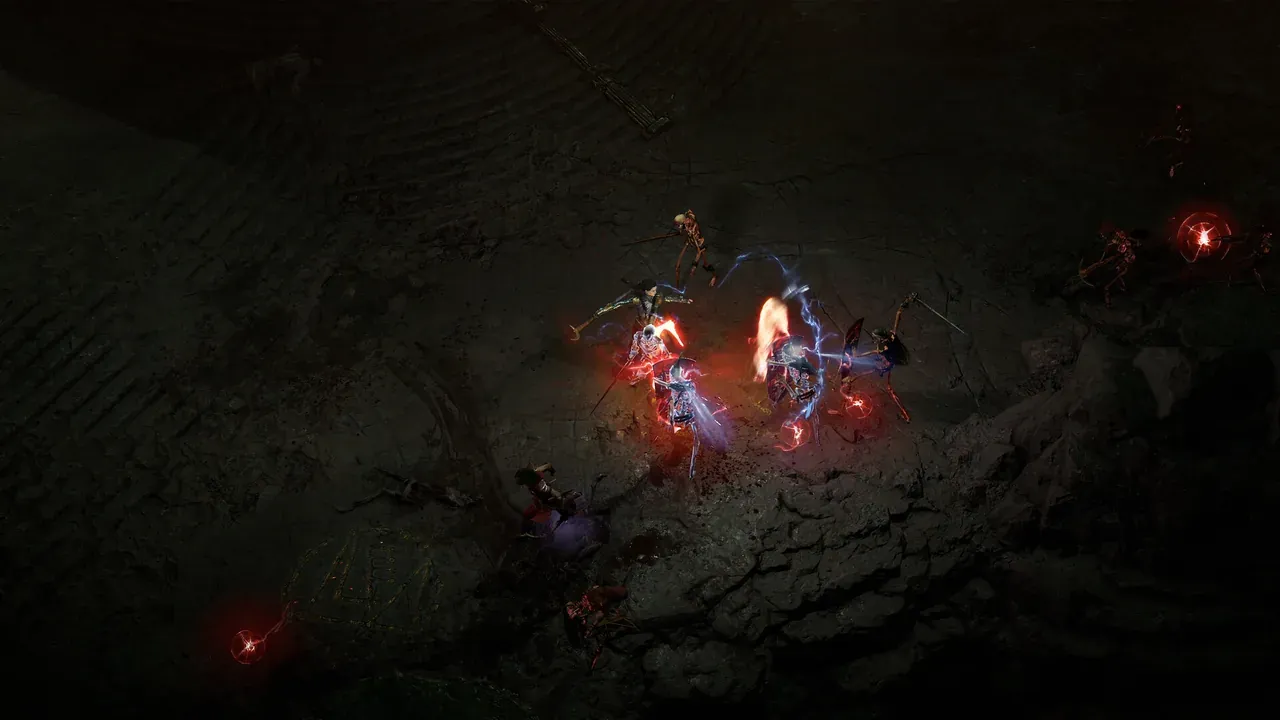
Diablo IV is an isometric action RPG. You clear enemies on one continuous map, pick up gear, make the character stronger, then take on harder enemies.
It cannot be played offline. It needs an internet connection and a Battle.net account, and that has been true since launch in 2023.
The core loop
- Kill things. Regular, elite and boss enemies all drop experience and loot.
- Pick up gear. Items run from common to magic, rare, legendary and unique. The rarer the item, the more likely it changes how a skill behaves.
- Improve the character. Levels give skill points, max level unlocks the Paragon board, and gear can be tempered and masterworked.
- Fight harder content. Higher difficulty means better loot, which sends you back to step one.
The open world and dungeons are two settings for the same loop. The open world carries the campaign, events and renown; dungeons carry concentrated combat and drops.
The modes
| Mode | Timeline | Who it suits |
|---|---|---|
| Seasonal | Resets each season, settles by season rules | Most players |
| Eternal | Never resets, receives seasonal characters when a season ends | Long-term characters |
| Hardcore | Death is permanent | After you know the game |
| Solo Self Found | No trading, no parties | Self-sufficient play |
| PvP (Fields of Hatred) | Runs alongside both | Player-versus-player |
Seasonal and Eternal are parallel. When a season ends, the character moves to Eternal, so progress is never deleted.
Season 14 added Solo Self Found and season 15 added Rebirth, which lets an existing hero start a fresh seasonal journey. Both reduce the cost of starting over.
Multiplayer and platforms
- Cross-play: PC, PlayStation and Xbox players share worlds, and the Switch 2 version supports it too since 15 September 2026.
- Cross-progression: one Battle.net account keeps the same characters and progress across platforms. Expansions do not carry over — Blizzard’s FAQ says they must be bought per platform.
- Group-only endgame: Vessel of Hatred’s Dark Citadel is the first endgame dungeon that requires a party. The Party Finder is the tool for finding one.
The full platform and purchase comparison is on platform availability.
What happens after max level
Once you hit max level, the goal changes from levelling to improving gear and the build:
- Dungeons and endgame activities, including the Pit and Lord of Hatred’s Echoing Hatred.
- War Plans, the endgame progression system from Lord of Hatred that lets you pick activities and apply modifiers. Season 15 made the reputation account-wide.
- Season mechanics, which stack a new system on top each season. Season 15’s are Soul Splinters and the Horadric Post.
Where a first run should start
- Completely new: create a seasonal character and follow the beginner route.
- Returning: read the season 15 page for mechanics that changed, then decide between your old character and Rebirth.
- Story only: the campaign plus both expansion campaigns are enough. The order is on the story recap.
Sources
Related pages
guide
Diablo IV Beginner Guide: What to Do in Your First 10 Hours
Start a seasonal character, pick an easy class and treat the campaign as your only job. Here is the order to play in, plus three time-wasting mistakes.
guide
Diablo IV Builds: How to Put One Together (and Check It Works)
Skills, affixes, Paragon, tempering and season systems decide a build. Here is the order to build in, plus four checks before you trust one.
guide
Diablo IV Classes: All Eight, and Which Expansion Each Needs
Five classes come with the base game, Spiritborn needs Vessel of Hatred, and Paladin and Warlock need Lord of Hatred. Here is how to pick between them.